Why MEPF is the most under-budgeted part of your home
Sixteen percent of the budget decides thirty years of comfort. Here is what proper services design actually buys you.

Farhan Qureshi
MEP Engineer
You will never see your MEPF. That is precisely why it gets cut.
The failure mode
The typical sequence: an architect draws the plan, a contractor builds it, and an electrician arrives after the walls are up to decide where the points go. Chases get cut into fresh plaster. Cable sizing is done by habit rather than load calculation. The drainage slope is whatever the plumber judged by eye.
Everything works on day one. The problems arrive in years three to eight, and every one of them is now behind a finished wall.
What designed services buy you
- Correct load sizing. Undersized cable runs hot, wastes energy and eventually fails. Oversizing wastes capital. A load calculation takes an afternoon.
- Coordinated routing. Services drawn against the structure means no slab is cut after casting. We treat a post-cast slab cut as a design failure.
- Real drainage falls. Calculated, not eyeballed. This is the difference between a bathroom that drains and one that smells.
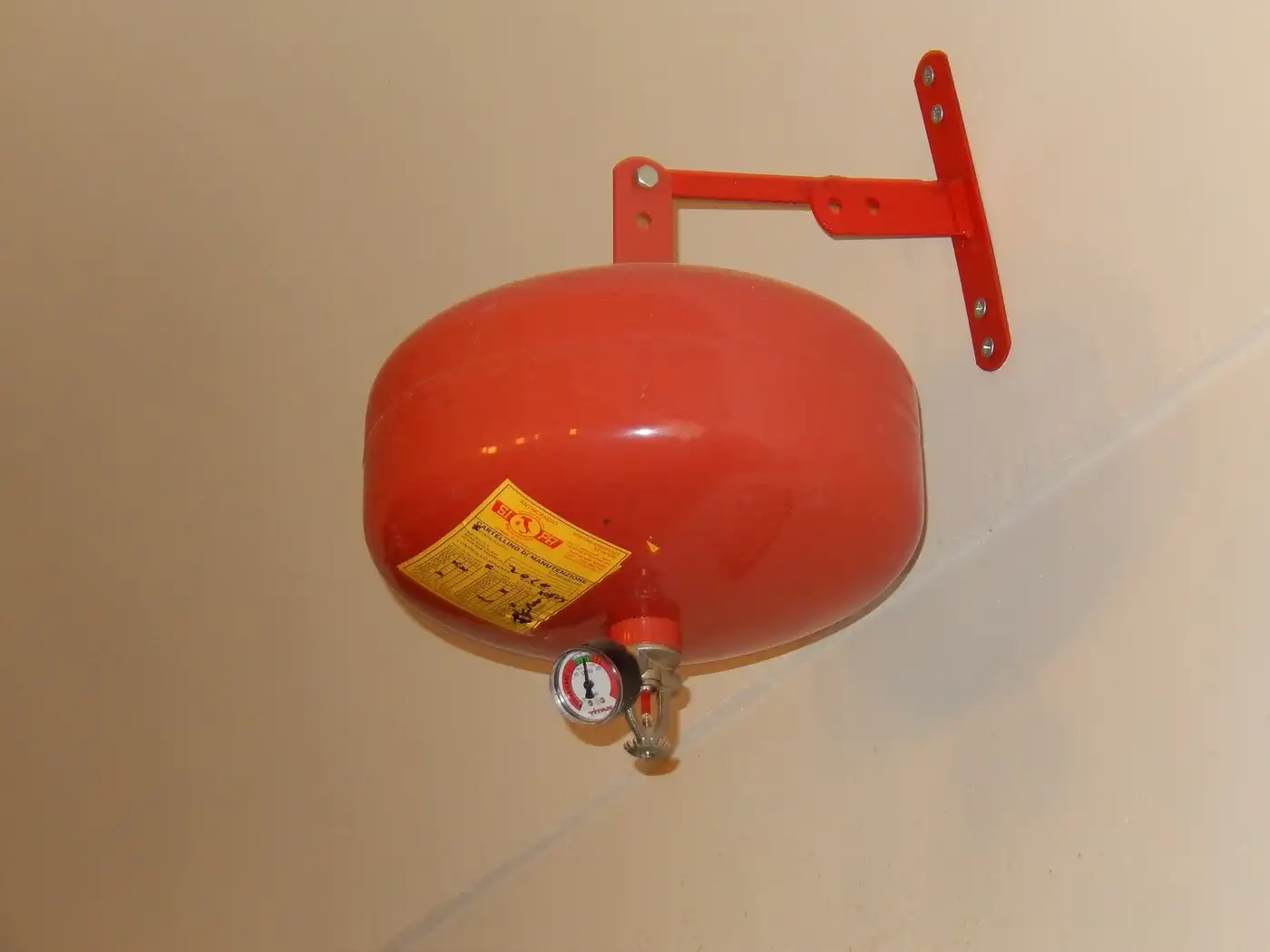
- Fire compliance that would actually pass. Not a token extinguisher.
- Capacity headroom. An EV charger, a solar inverter, a heat pump — all of these need a spare way in.
The number
Proper MEPF design adds roughly 3–5% to a project's cost and reduces running cost by up to 30% over the building's life. It is the best-value line item on the whole BOQ, and it is the first one people cut.